

Protecting the environment is a priority now more than ever, and more buyers are looking for sustainable homes in London.
To make sustainable changes in our daily lives, it is important to look at where we live: our home and neighbourhood as well as our community.
At Peabody New Homes, we offer a range of developments in London with sustainable features designed
What is sustainable living?
Sustainable living is defined by Maryville University as "the practice of making conscious lifestyle choices that reduce a person’s impact on the environment".
This means that there are actions we can all take in our daily lives to reduce our carbon footprint and protect our planet.
It can be how we shop, how we commute and what home we choose. Let's dive into the 3 key features to look out for when it comes to sustainable living and sustainable home design.
1) Make sure your home is near green spaces
Because cities are full of concrete and tall buildings, they trap heat which causes temperatures to increase. This phenomenon is called heat island and can make urban areas up to 3-4c higher.
When it happens in the summer, more energy is used to cool places down. This is a real problem because it makes us more reliant on fossil fuels, increasing pollutants in the air.
Making sure you are based near green spaces is a great way to counteract the heat island effect. The trees and plants don’t absorb the heat the way buildings and concrete do. This means that temperatures don’t increase in the same way.
You can then enjoy cooler areas and benefit from less polluted air.
For our Islington development called City Angel, we have designed several oases. Residents can enjoy a breath of fresh air in the communal landscaped podium garden.
They can also explore different shared outdoor spaces including tree-lined parkland and intimate garden squares bordered with soft water features and wildflower beds.
2) Check what eco-friendly modes of transport you can use
To help decrease your carbon footprint, it can be efficient to consider cycling.
To make sure your new home is supporting that, check whether there is access to secure bike storage so that you can purchase your own bike. That way it will be easier to use it regularly to commute. Having cycle hire nearby is also a great way to get around in a more eco-friendly way.
Many of our developments are designed to support a cycling-friendly lifestyle through secure bike storage and strong connections to London’s growing cycle network. These include Zone at Oval Village and St Olaves.
- Zone at Oval Village offers residents secure on-site cycle storage, nearby rental bike stations and easy access to the Thames Path and London’s wider cycle network.
- St Olaves benefits from a prime location on Cycleway 4, giving residents direct access to a dedicated route between Tower Bridge and Greenwich and making journeys to key destinations such as London Bridge, Canary Wharf and the City safer, faster and more sustainable.
Alternatively, when cycling isn’t possible for any reason, being able to rent electric cars and having access to electric vehicle charging points is a great way to ensure you use more environmentally conscious modes of transportation.
3) Picking an energy-efficient home
There are several aspects to consider when finding the right home for you and energy efficiency should probably be near the top of your priorities.
One thing to note is that new builds are more energy-efficient by nature. First, they benefit from better insulation and higher air tightness which helps keep heat inside the home, reducing energy bills in the winter on top of it.
Then, the use of mechanical ventilation with heat recovery means that the home is supplied with fresh air without having to open the windows on cold winter days or very hot summer nights. This will reduce the need for heating or cooling and, as a bonus, lower the cost of energy bills.
Another efficient way to reduce energy consumption is by having a lot of natural light in the home thanks to appropriately sized windows.
The sun can warm the rooms and decrease the need for artificial lighting during the day, without any risk of overheating in the summer.
Southmere
Our Southmere homes tick several boxes when it comes to eco-friendly features.
They benefit from underfloor heating provided by a communal heat network to lower costs and carbon emissions.
Double-glazed windows and balcony doors ensure good insulation levels, meeting London standards.
Mechanical ventilation with a filtration system prevents overheating and smart meters allow residents to check their energy consumption. Finally, to prevent water wastage, taps are fitted with flow restrictor attachments.
Deptford Edge
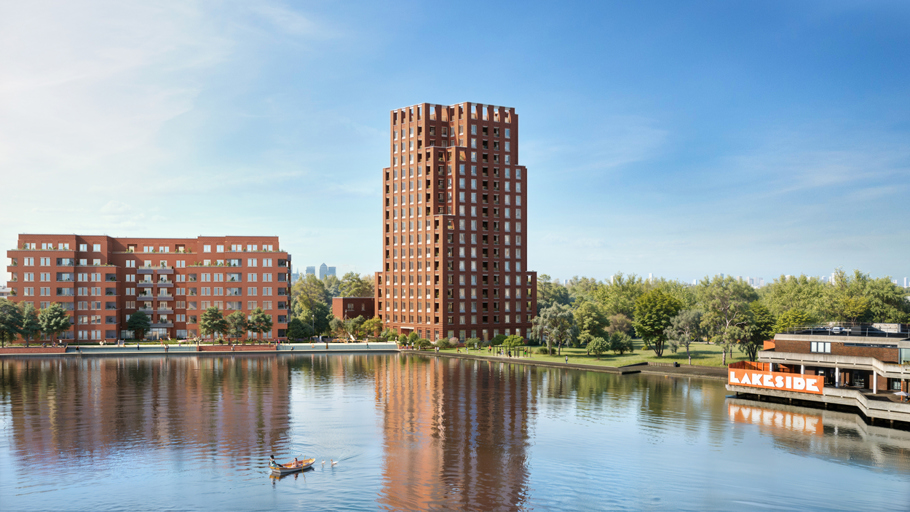
One of our latest developments, Deptford Edge, brings together sustainability and modern city living.
Built to Passivhaus design, these ultra low energy homes are designed to stay warm in winter and cool in summer while using minimal energy, with the aim of helping residents enjoy lower running costs and a comfortable home environment all year round.
Features such as private balconies, a residents’ central courtyard and practical modern interiors further support quality living.
Finally, it’s just a short walk from the River Thames and the Thames Path, with local parks nearby and Deptford and Surrey Quays stations within walking distance.
Discover homes in great locations
Frequently asked questions about sustainable living
When looking for a sustainable home, consider both the property and the surrounding area.
Features such as strong insulation, efficient ventilation, access to natural light and energy-saving design can all help to cut energy use.
Access to green spaces, public transport and cycling routes can all make it easier to live more sustainably day to day.
New build homes can often be more sustainable as they’re designed to pass modern environmental and energy efficiency standards.
They often benefit from better insulation, greater airtightness and more efficient ventilation systems than older properties. This can help reduce heat loss and lower energy consumption.
A home is generally considered energy efficient when it uses less energy to stay comfortable throughout the year.
This can be supported by features such as high levels of insulation, airtight construction, mechanical ventilation with heat recovery and well-sized windows that maximise natural light.
Together, these features can help keep homes warmer in winter, cooler in summer and less reliant on excessive heating, cooling, and artificial lighting.


