

When renting, you will pay your landlord monthly, and own nothing of the property.
With Shared Ownership, however, you pay a part of the home, normally 25% at least, and pay a subsidised rent on the part that you don’t own. With Shared Ownership, you will also be a homeowner from the start.
If you’re thinking how to live in London in the most economical way, it is worth understanding the differences, and what the monthly costs look like.
Renting privately in London
Renting privately in London can be a pragmatic option if you do not want to be tied down and value flexibility. It will mean you can move easily, and you’re not responsible for major repairs or maintenance.
The rent does not help you build equity in the property, however. Your landlord can also raise your rent annually, and you’ll be unable to make significant decorations.
Buying through Shared Ownership in London
With Shared Ownership, you will own some of the home, and you will be a homeowner. You will pay a subsidised rent on the part that you don’t own, which is 2.75% with Peabody.
Upfront costs are usually far lower than buying outright, as you only need a deposit on the share that you are buying. For example, if you’re buying a £100,000 share of a £400,000 property, you may only need a deposit of £10,000.
The monthly costs with Shared Ownership will include mortgage repayments, rent, and service charges.
You can also buy more shares over time through Staircasing, which reduces the amount of rent you pay.
Upfront costs: deposit, fees and moving costs
Whether you rent or buy through Shared Ownership, you will need some money set aside before moving.
Renting usually involves fewer fees, while Shared Ownership has more buying costs to plan for. However, the Shared Ownership deposit is based on the share you buy rather than the full value of the home.
Renting deposit and upfront payments
When renting privately in London, you may need to pay several costs before collecting the keys:
Tenancy deposit: Usually up to five weeks’ rent when the annual rent is below £50,000.
Rent in advance: Your landlord can normally ask for up to one month’s rent before the tenancy starts.
Holding deposit: You may pay up to one week’s rent to reserve the property. This is usually put towards your first rent payment or tenancy deposit if you go ahead.
Household bills: You may need to budget for Council Tax, utilities, broadband and a TV licence from the start of the tenancy.
The tenancy deposit is refundable, provided you meet the terms of your agreement. Even so, paying the deposit and first month’s rent together can make moving into a rental property expensive.
Shared Ownership deposit and buying costs
With Shared Ownership, your deposit is normally calculated as a percentage of the share you are buying, not the home’s full market value. This can make the upfront cost lower than buying outright.
For example, if you buy a 25% share of a £400,000 home, your share is worth £100,000. A 10% deposit would therefore be £10,000.
You will also need to budget for costs such as:
Reservation fee: Peabody typically charges £500 to secure the home, which is deducted from the final purchase price if you proceed.
Solicitor’s fees: These cover the legal work involved in buying the property.
Mortgage adviser fee: An adviser may charge for helping you find a suitable Shared Ownership mortgage.
Mortgage valuation fee: Your lender may charge to confirm the value of the property.
Stamp Duty: You may need to pay Stamp Duty depending on the property value, the share you buy and your personal circumstances.
You can read our page on the costs of Shared Ownership for more information.
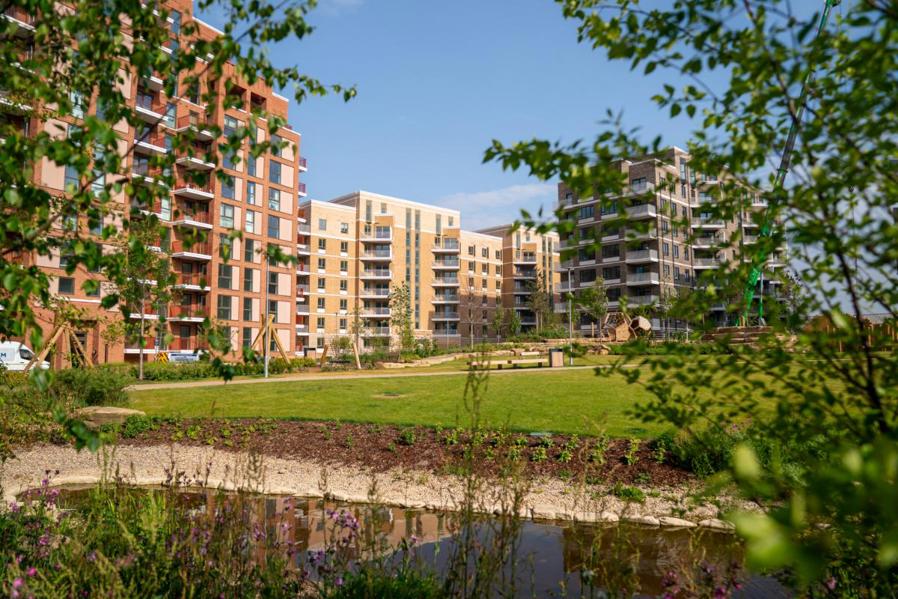
Rent vs Shared Ownership monthly cost for a 1-bed home
Development and location | Total Shared Ownership monthly cost for a 1-bed | Median local market rent in 0.5 mile radius of development |
|---|---|---|
Dagenham Green, Dagenham | From £1,010 | £1,494 |
Lombard Square, Plumstead | From £1,189 | £1,565 |
Chelsea Botanica, Fulham | From £1,653 | £2,500 |
West Ham Village, Newham | From £1,366 | £1,900 |
Southmere, Thamesmead | From £1,175 | £1,400 |
Deptford Edge, Lewisham | From £1,391 | £1,612 |
Fish Island Point, Tower Hamlets | From £1,404 | £1,900 |
Zone, Lambeth | From £1,244 | £2,100 |
KEWB, Brentford | From £1,328 | £2,000 |
Median local rent data from Realyse, accurate as of 10/09/2026
Long-term value: flexibility vs building equity
Renting offers more flexibility, while Shared Ownership gives you the chance to build value in a home over time.
The benefits and limits of renting
Renting can suit you if you want the freedom to move easily. Your landlord is also usually responsible for major repairs.
However, your monthly payments do not give you a financial stake in the property, and your rent may increase.
How Shared Ownership can help you build equity
With Shared Ownership, part of your monthly payment goes towards the mortgage on the share you own. You can also buy more shares through Staircasing, which reduces the rent you pay.
Your equity may grow as you repay the mortgage or if the property increases in value, although house prices can also fall.
Frequently asked questions about Renting vs Shared Ownership
It can be, but it depends on the home, location, and the share you buy and your mortgage. Shared Ownership costs include your mortgage, rent on the share you do not own and usually a service charge. In some parts of London, the combined monthly cost may be lower than renting a similar home privately, but it is important to compare the full costs before deciding.
You will usually need a deposit of between 5% and 10% of the share you are buying, rather than the full value of the property. For example, if your share costs £100,000, a 10% deposit would be £10,000.
Yes. You pay rent to the housing provider on the share of the home you do not own. With Peabody you pay a subsidised rent that is set at 2.75% of the value of the unowned share as a maximum.
You will also make mortgage repayments on the share you have bought and will usually pay a service charge. If you buy more shares through Staircasing, the amount of rent you pay will reduce.
It depends on what matters most to you. Renting can offer more flexibility and fewer responsibilities, which may suit you if you expect to move soon.
Shared Ownership may be a better fit if you want more stability and the chance to build equity. You can read our page on the pros and cons of Shared Ownership for more information.
Yes. Shared Ownership is designed to help people who cannot afford to buy a suitable home outright, including first-time buyers.
Because the deposit and mortgage are based on the share you buy, it can make purchasing a home in London more achievable. You will still need to meet the eligibility and affordability checks and be comfortable with the ongoing costs.


